Australian Design Impact Index

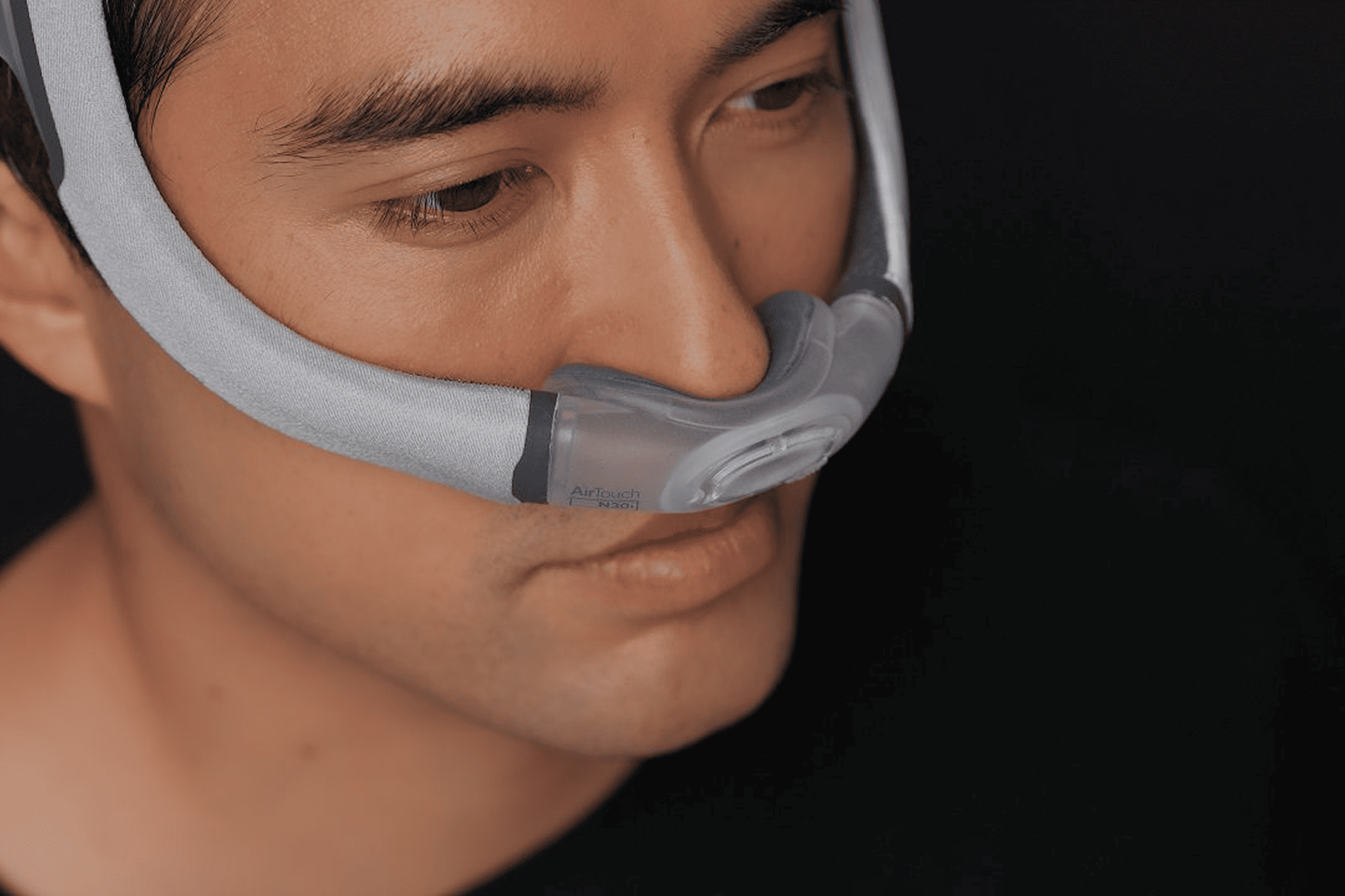
Resmed LTD

Australian Design Impact Partner

Australian Design Impact Index No: 00002

Sector: Medical Science

Location: Byron Bay, New South Wales

Website: https://www.resmed.com/11

RESMED LTD From a spark of inspiration to a global company producing the world’s most highly-awarded electric hydrofoils, Flite is a leading example of a design-led business and true Australian success story. Flite showcases exceptional design capability by innovating within the sporting goods sector, driving economic success through design-led innovation, and promoting sustainability with emission-free watercraft. Its commitment to excellence not only advances the industry but also highlights the crucial role of design in Australia’s economic and cultural growth.

HOW WE USE DESIGN CAPABILITY

  1. Discover the Right Challenge
    • Uses observation and empathy interviews to understand real community needs.
    • Frames a “grand challenge” before committing resources —reflecting the principle of designing the right thing before designing the thing right.
  2. Co-Create with Stakeholders
    • Engages advisory boards of architects, designers, and clients, alongside staff across all functions.
    • Reflects the Council’s call to embed design as a strategic capability that cuts across silos and sectors.
  3. Prototype & Test
    • Applies a “fail early, learn fast” approach to accelerate innovation and reduce risk.
    • Aligns with the Council’s belief in design as a driver of productivity and efficiency.
  4. Embed Design in Culture
    • Design is not confined to a department but is everyone’s responsibility.
    • Storytelling and gamified client engagement demonstrate how design builds trust and communicates value — an approach the Council champions nationally.

OUR DESIGN PROCESS

Economic

  • A design thinking program delivered a new product line generating one-third of total revenue.
  • Achieved its five-year 33% growth target, proving that design strengthens competitiveness.
  • Products are now specified for quality, not swapped for price — a clear example of design as competitive advantage.

Social

  1. Public space designs have transformed communities:
    • 200% increase in visitation.
    • Sevenfold increase in children using play areas.
    • Reduced crime and stronger local business activity.
  2. Partnerships with First Nations designers ensure cultural authenticity —showing how design strengthens identity and inclusion.

Environmental

  • Achieved carbon neutralityafter five years of systemic change.
  • Transitioned to low-carbon aluminium sourced from renewable energy.
  • Champions “buy less, buy once” through durable, repairable products.
  • Transparent annual reporting builds accountability —demonstrating how design leads sustainability transitions.

OUR IMPACT

Lessons for Other Firms

    • Start with people, not products–Use empathy and observation to define the right challenge.
    • Make design a culture, not a function–Build design capability across the business.
    • Fail early, learn fast–Prototype and iterate to reduce cost and risk.
    • Tell the design story–Communicate value through evidence, not just aesthetics.
    • Align design with impact–Deliver economic, social, and environmental outcomes together.

These lessons reflect the Australian Design Council’s mission: to elevate design as a national capability that enables industries to innovate, build global competitiveness, and tackle the country’s most pressing challenges —from housing and infrastructure to climate and manufacturing.

OUR INSIGHTS

This company shows that design is not an add-on, but a driver of transformation. By embedding design across strategy, culture, and operations, it has created products and places that deliver lasting enjoyment and enduring value.

It is a powerful example of the Australian Design Council’s call for a future designed and made in Australia—where design underpins productivity, sustainability, and prosperity.

OUR VISION FOR A DESIGN-LED NATION

This company shows that design is not an add-on, but a driver of transformation. By embedding design across strategy, culture, and operations, it has created products and places that deliver lasting enjoyment and enduring value.

It is a powerful example of the Australian Design Council’s call for a future designed and made in Australia—where design underpins productivity, sustainability, and prosperity.