

Head Office:
Level 2,
135/153 New South Head Road,
Edgecliff New South Wales 2027 Australia
Mail:
PO Box 720, Rose Bay,
New South Wales 2029 Australia

DESIGN WITH PURPOSE: HOW ABI LEADS A DESIGN EXCELLENCE
Founded on the Gold Coast, ABI is a leading Australian company in the architectural hardware, fixtures, and fittings industry. Established with a vision to reimagine how people experience their homes, the company has transformed what was once a market dominated by chrome fittings into a world of colour, warmth and emotion. Starting from rose gold and matte black to brushed brass and pastels, ABI has helped make personal expression through interior design both accessible and aspirational.
Today, ABI employs over 200 people at its Gold Coast headquarters, with operations expanding into the UK and beyond. At its core, ABI’s mission is to design products that capture the feeling of “home”, an intangible sense of belonging, warmth and comfort that connects deeply with people’s emotions and everyday experiences.
ABI’s approach is not just about what looks good, but how good design makes people feel.

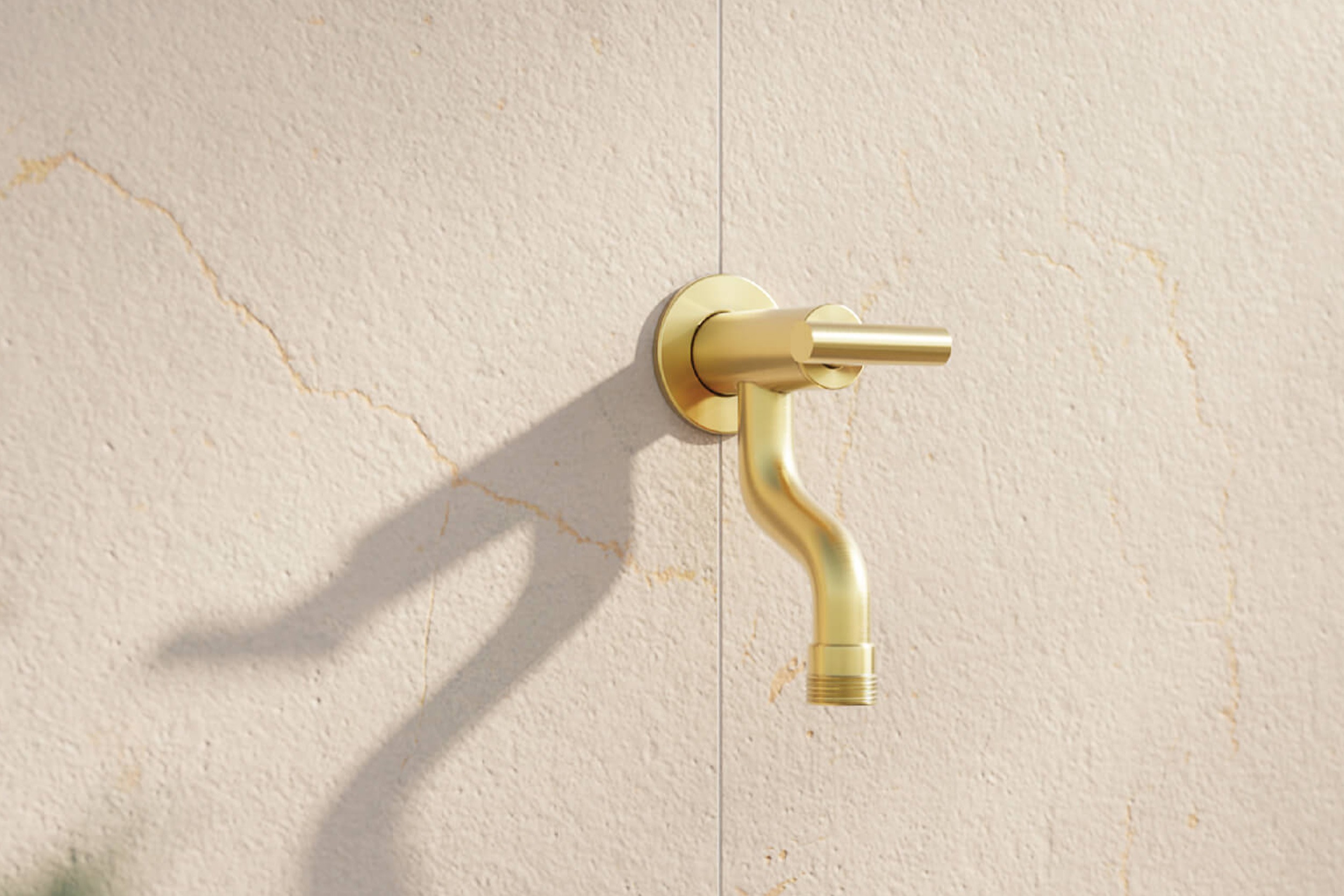
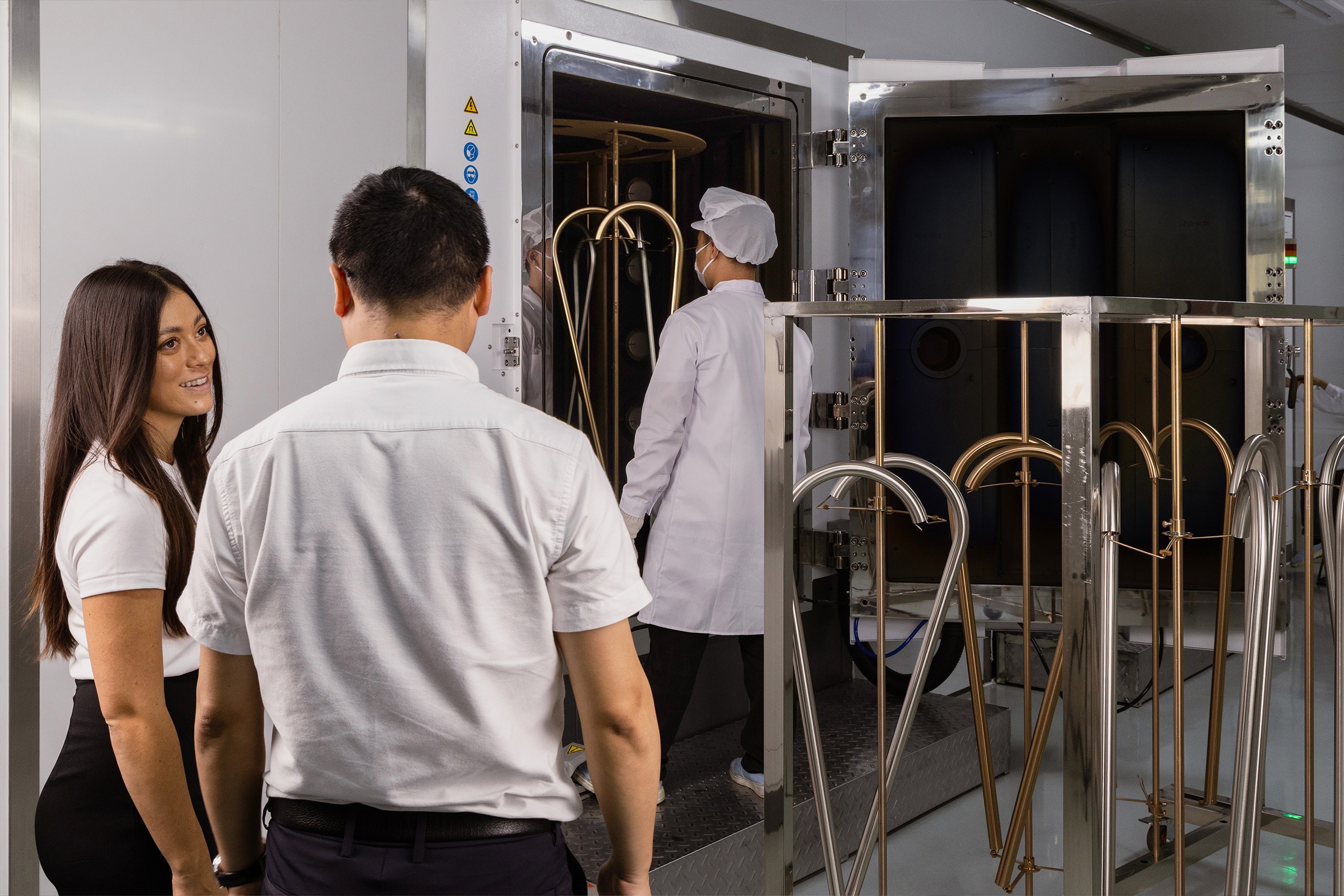
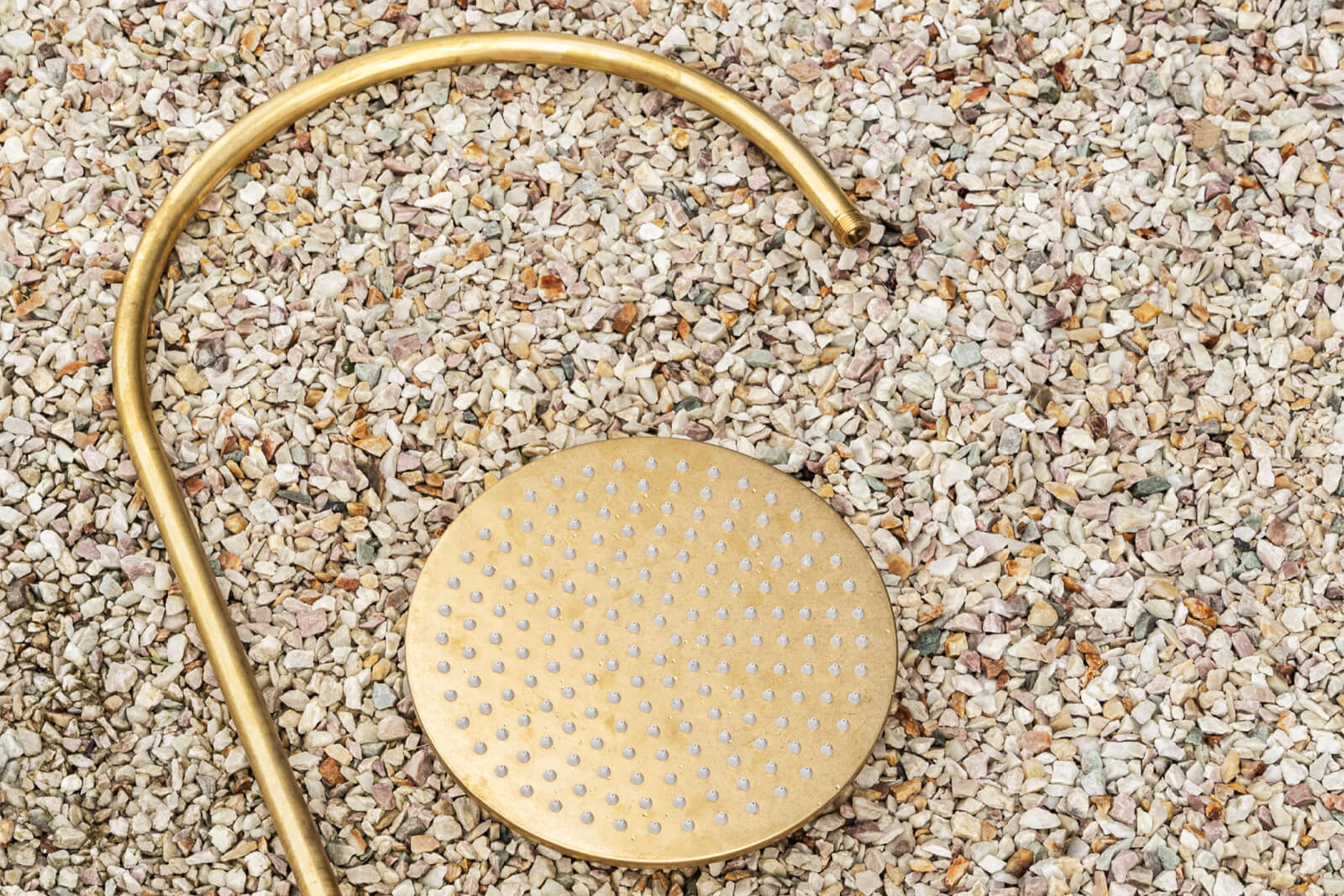
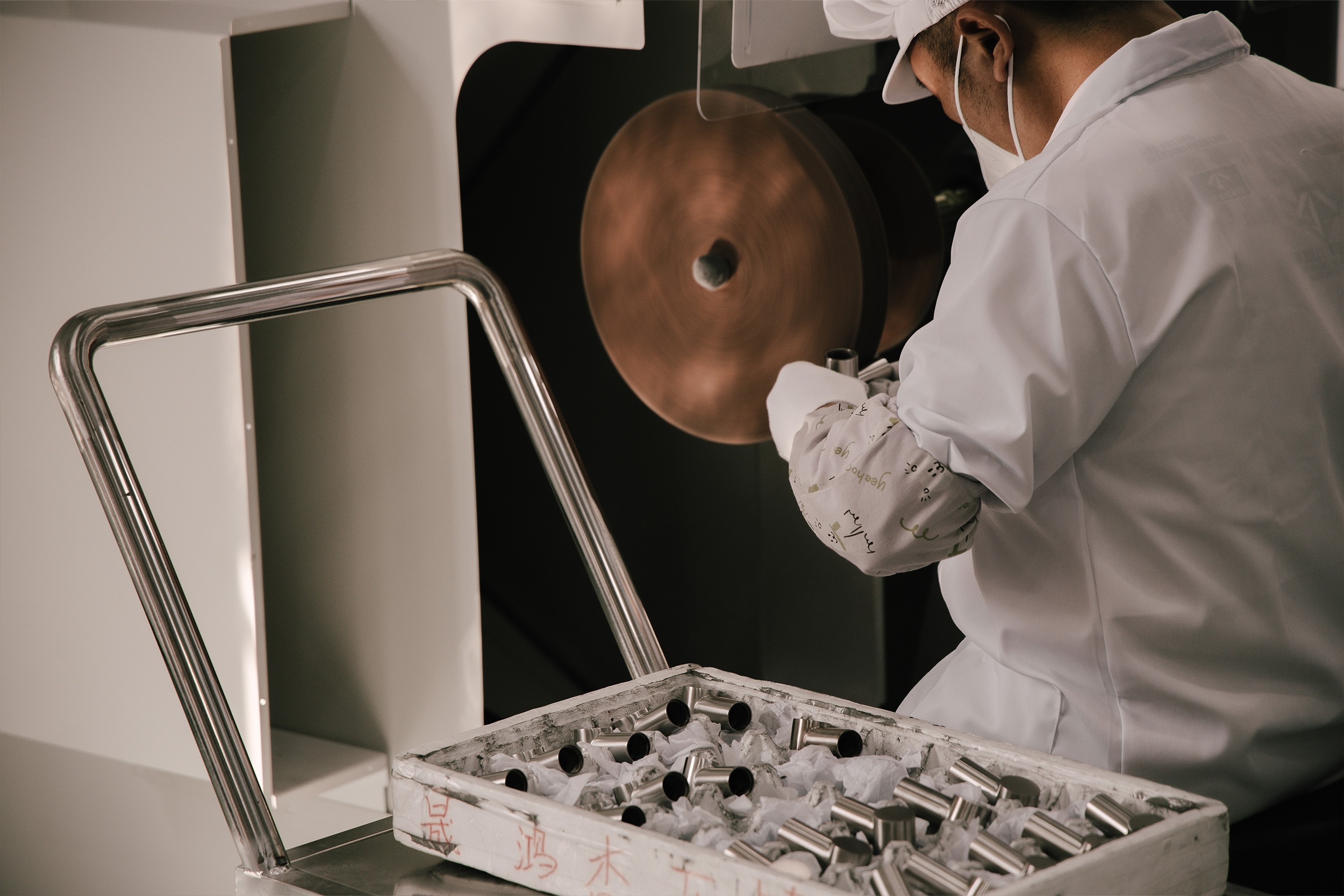
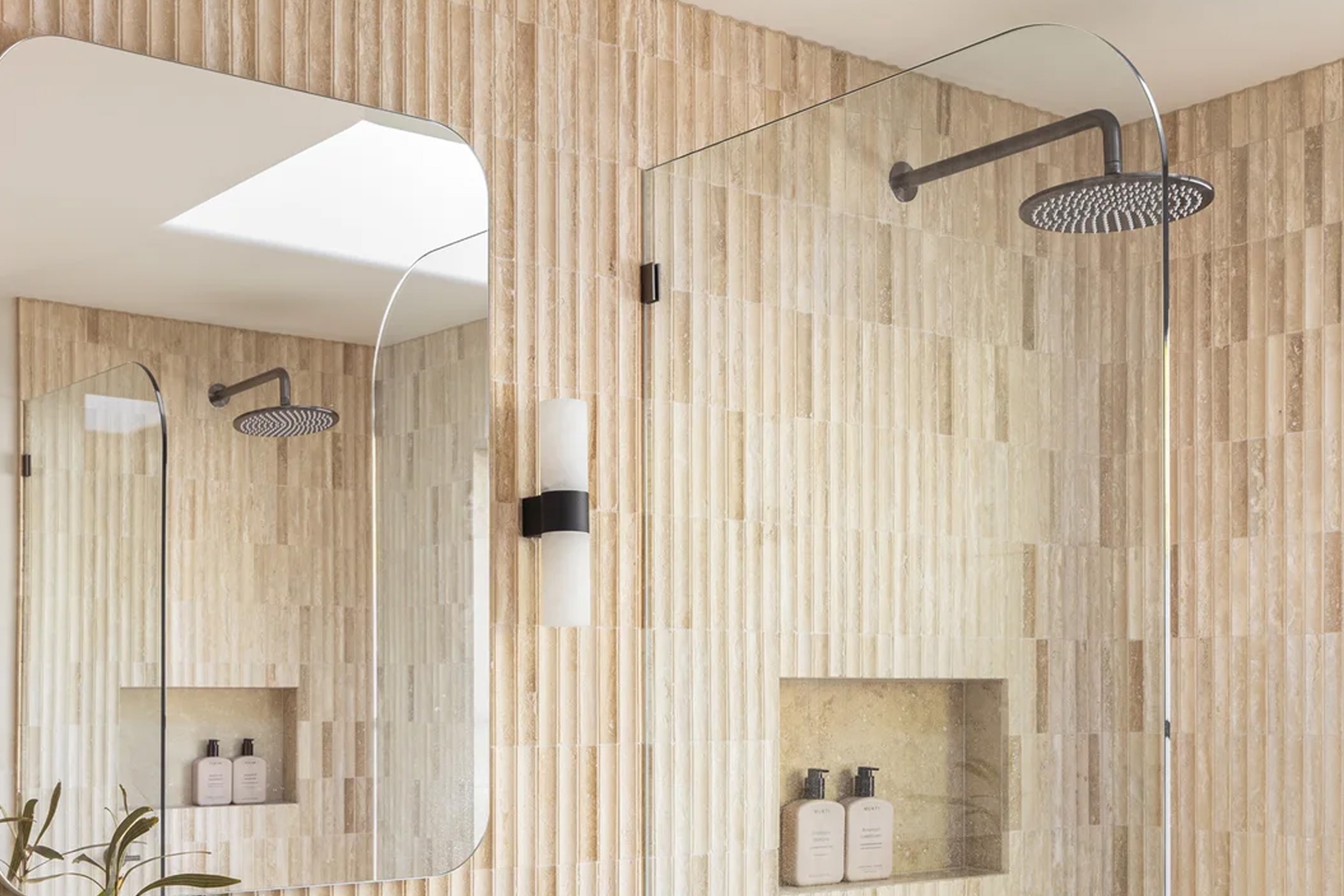
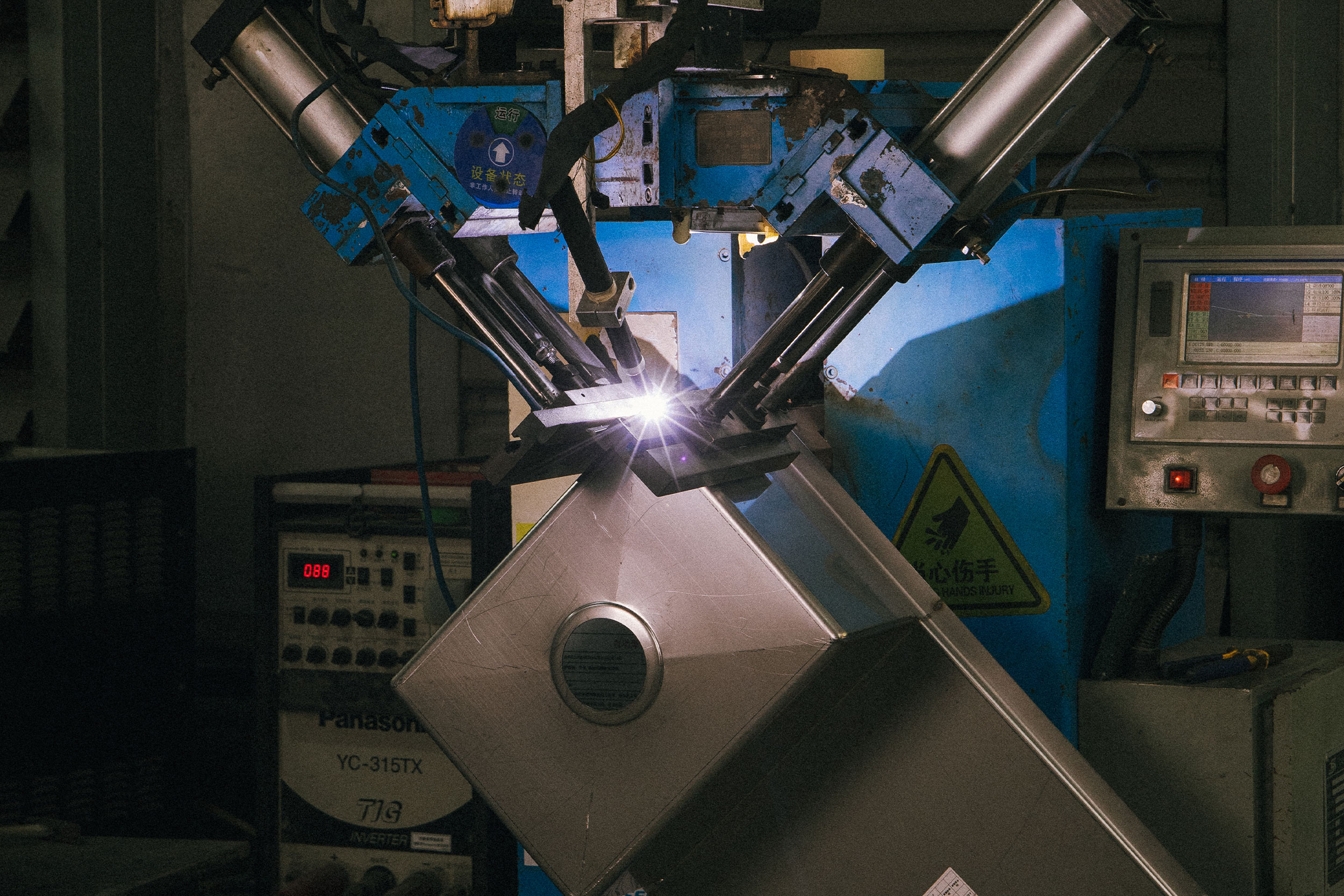
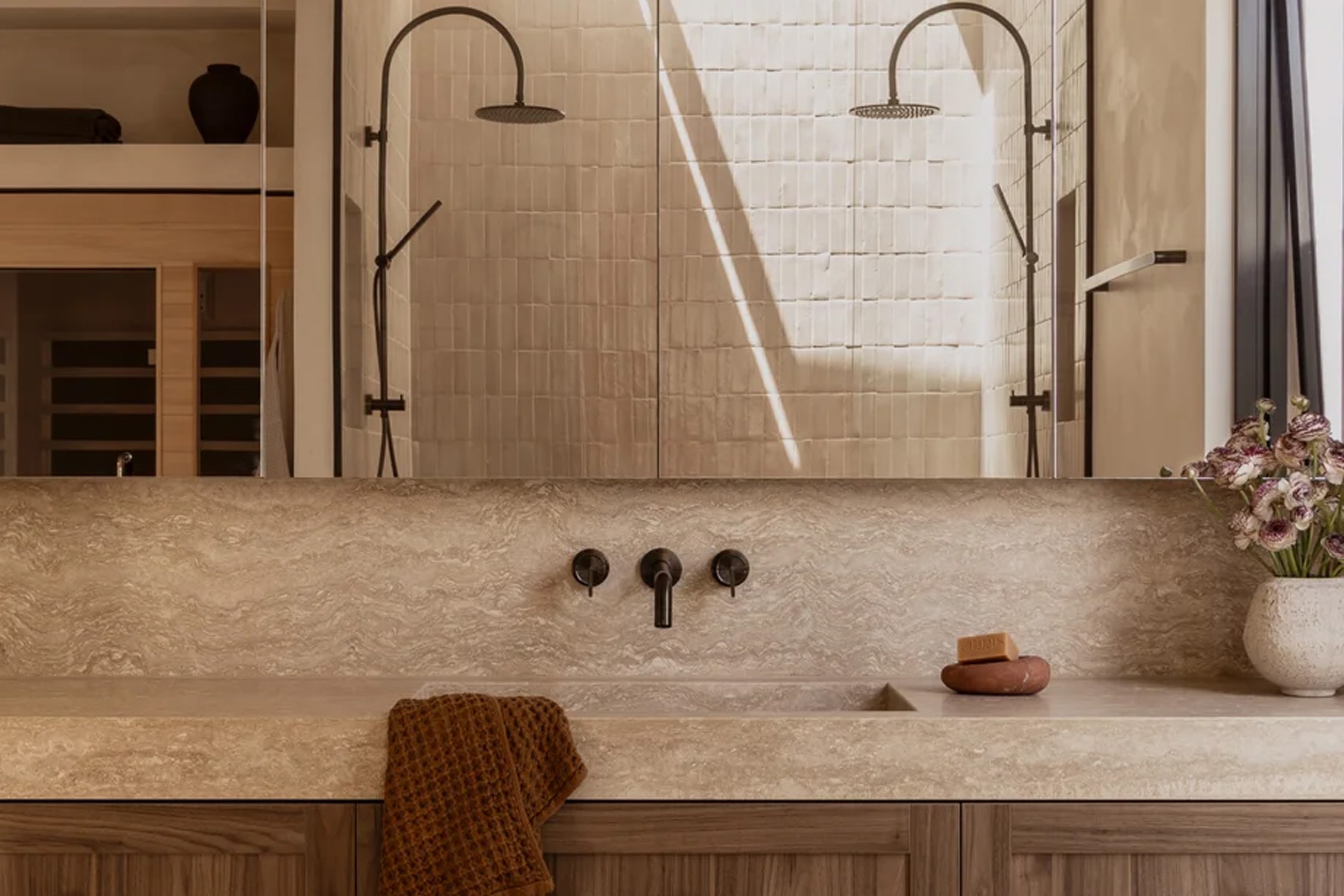
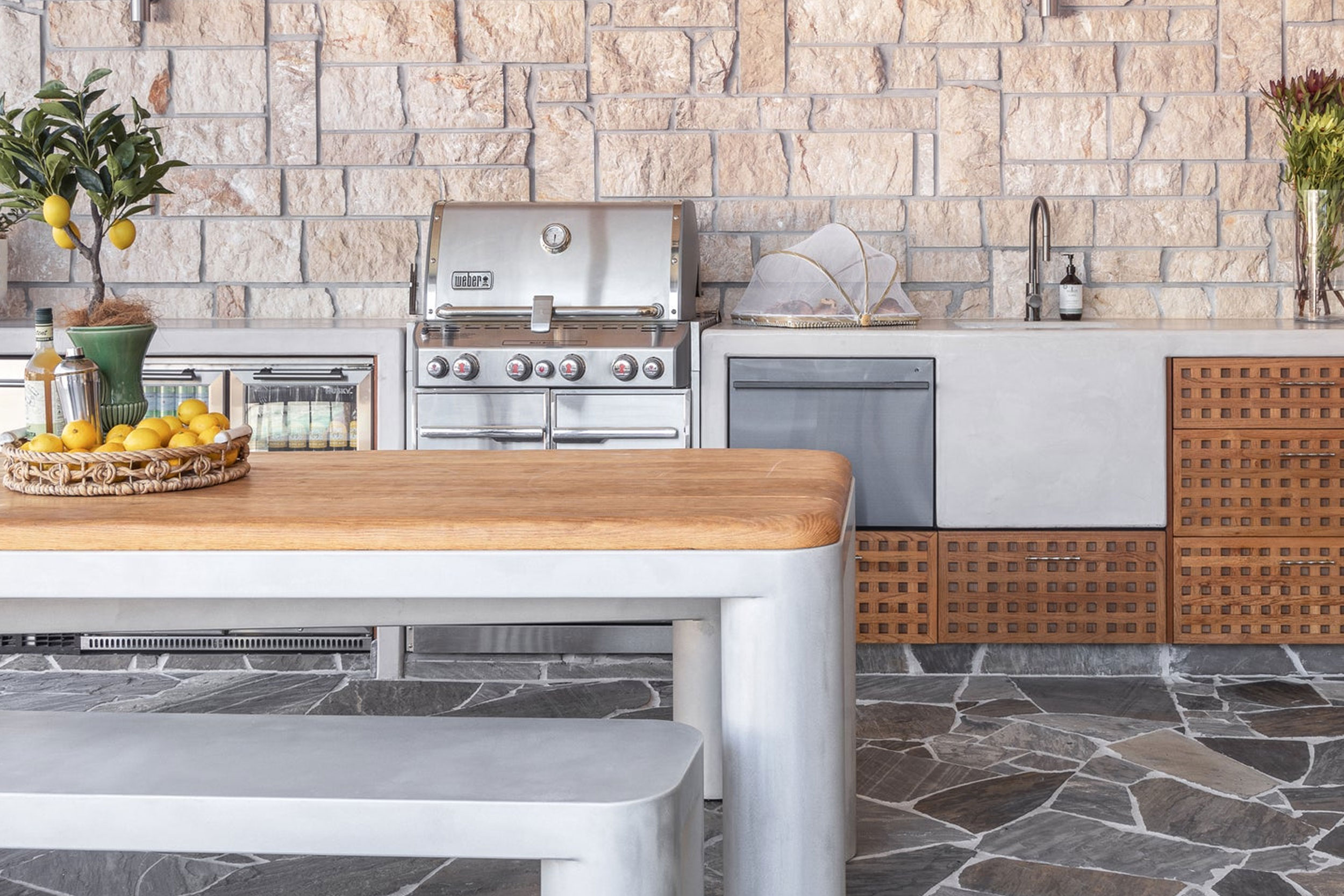
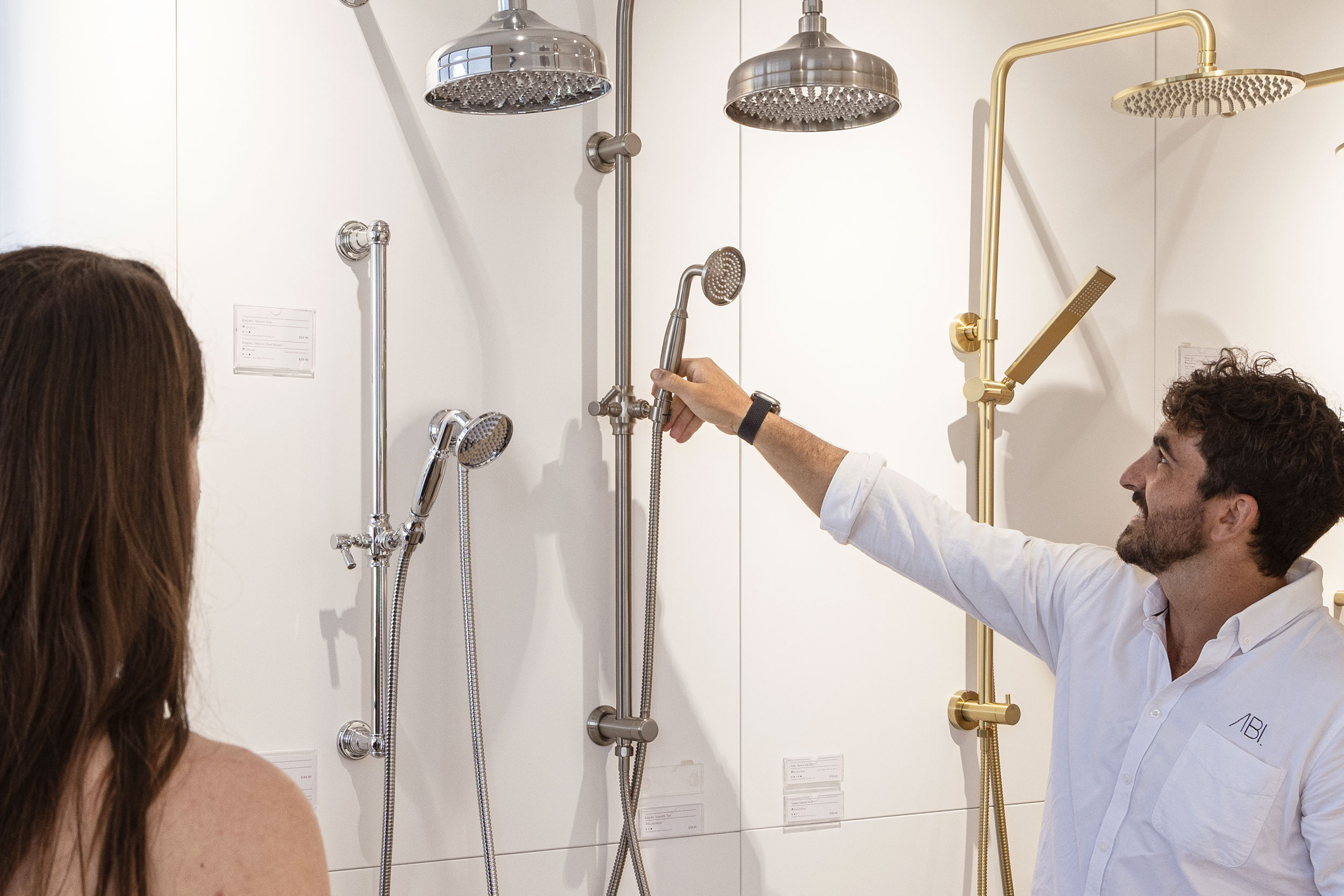
For ABI, design is more than an aesthetic choice, it’s a philosophy of connection. CEO and Co-Founder Sukai Farrell Yamamoto describes design as a “human interaction,” where every tap, shower and fixture plays a role in daily rituals that shape how we feel in our spaces.
The company’s design philosophy is grounded in creating a sense of belonging, “the feeling of home,” which transcends trends and speaks to universal human emotions.
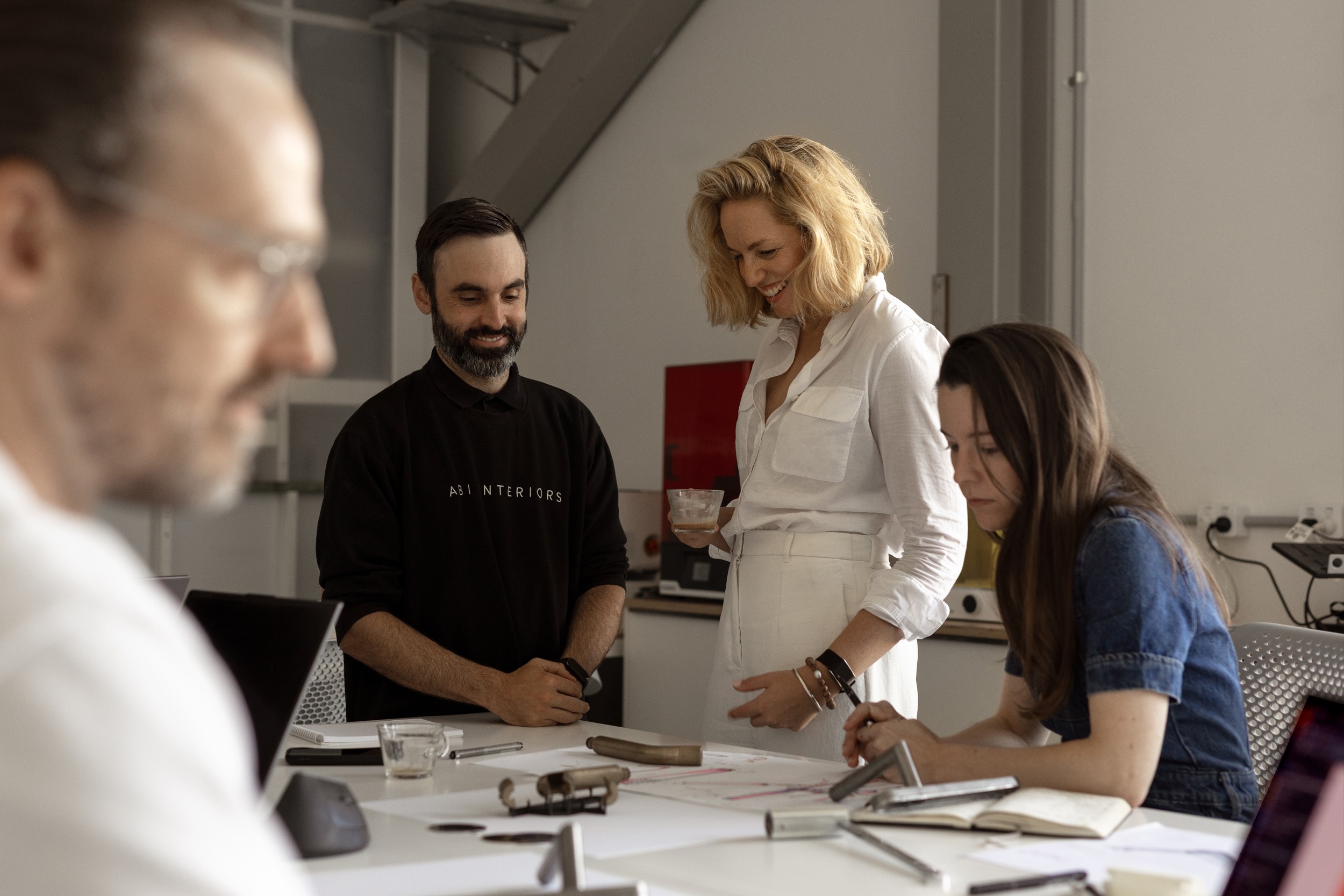
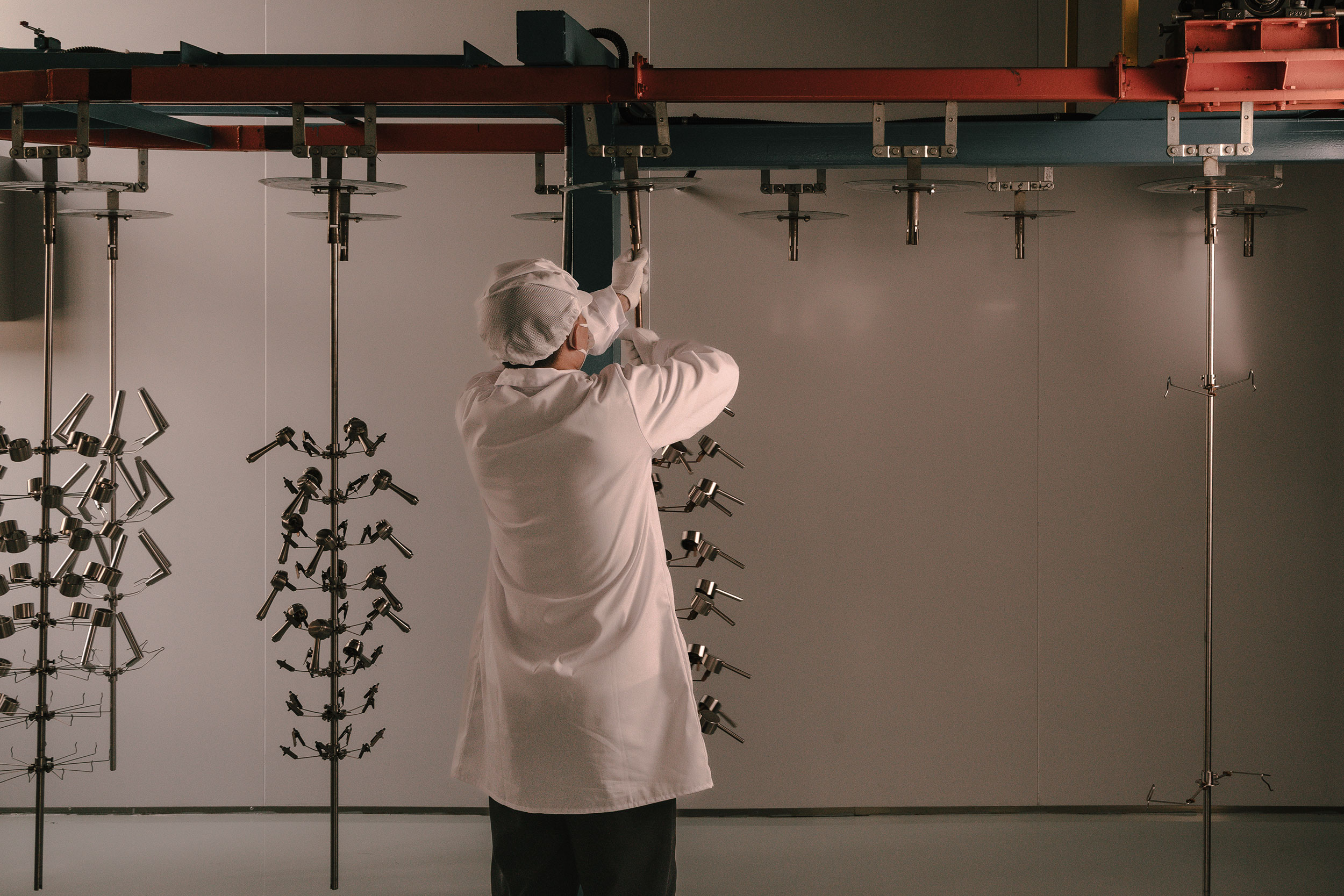
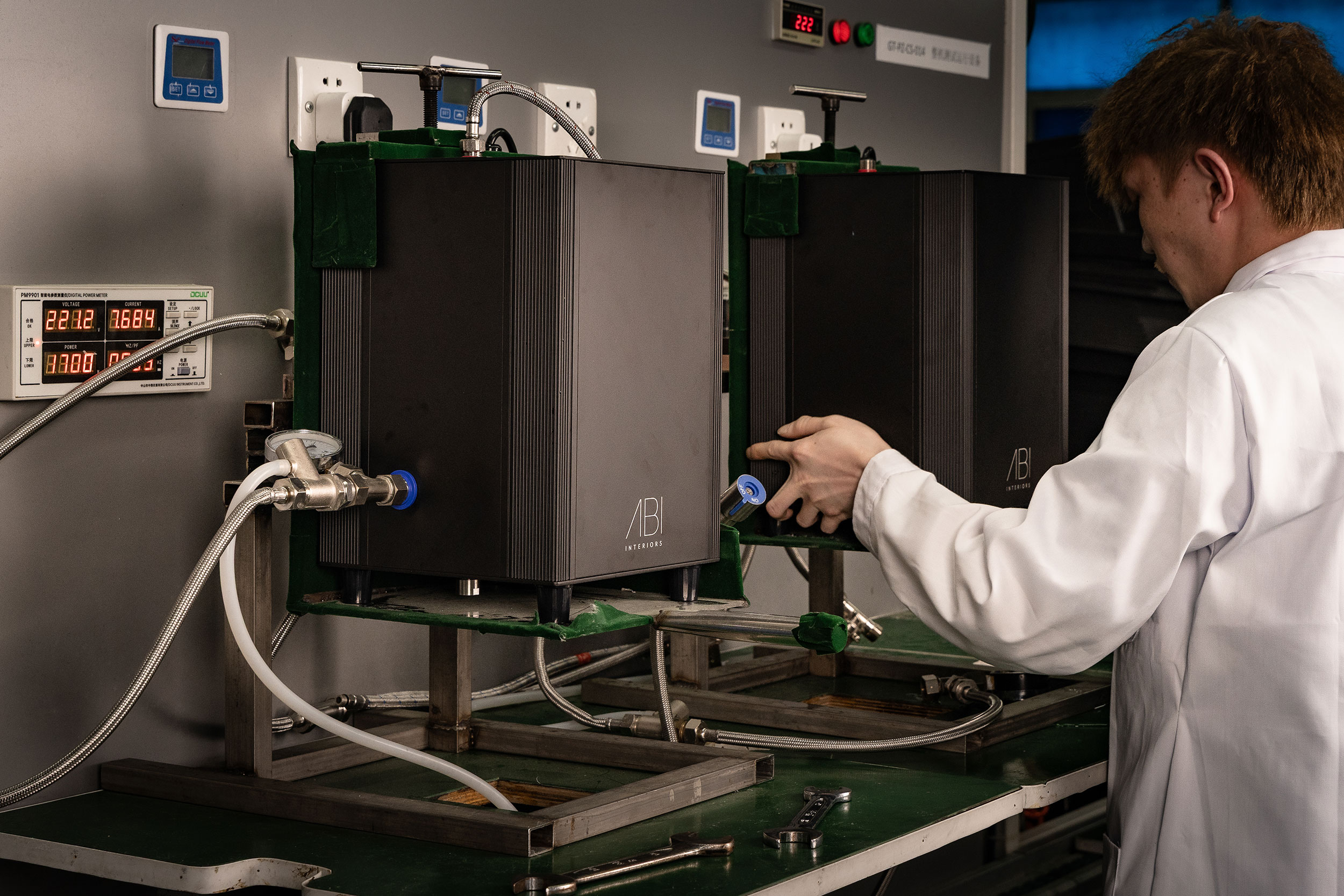
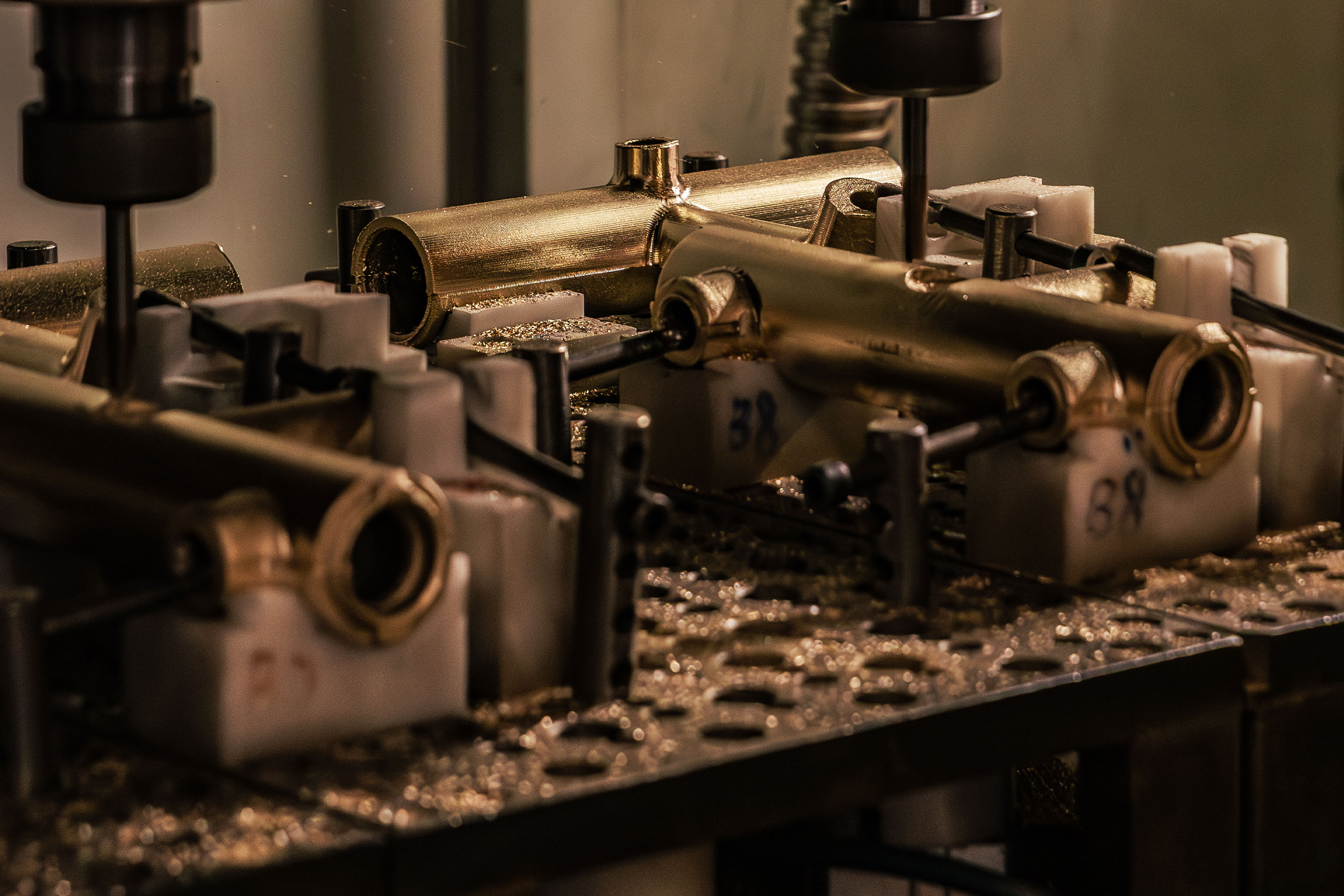
ABI’s design process blends creativity with deep empathy. Their team works from real-world experiences, using feedback loops between plumbers, customers, and designers to refine each product. Every component, material, and finish is tested and iterated, sometimes through hundreds of prototypes, until it achieves the right balance of function, form, and feeling.
As Farrell explains, “It’s easy enough to design something aesthetic, but if it’s not functional, there’s no real point to it.” This relentless iteration, coupled with inspiration from Japanese attention to detail and Australian creativity, defines ABI’s design DNA.
Environmental and Sustainability Impact
Sustainability is embedded in ABI’s design process. Recognising the construction industry’s role in industrial waste, ABI focuses on designing for longevity. By extending product lifecycles and offering a 25-year warranty, they minimise landfill waste and resource use.
The company has achieved carbon neutrality, invested in solar energy, and developed advanced vacuum-coating technologies that eliminate water waste in manufacturing. Their innovations even allow customers to change fixtures’ colours or styles without demolition — saving materials, time, and cost.
As Farrell puts it, “It’s better for the environment, better for the customer. It’s a win.”
Economic and Regional Impact
ABI’s growth has had a transformative effect on the National and more specifically the Gold Coast’s economy. By keeping its design, logistics, and innovation hubs in Australia, the company provides over 200 local jobs and helps nurture new creative talent. As Farrell notes, “The bigger we grow, the more we can employ locally, and that means we can contribute more back to our community.”
Moreover, ABI’s design-led approach has elevated traditional trades into higher-value, design-oriented roles. Plumbers, for example, work alongside designers and engineers to co-develop new products, turning hands-on trade experience into creative design capability.
This fusion of practical expertise and innovation exemplifies how design can drive new forms of meaningful, future-proof employment.
Social and Community Impact
Social purpose is woven into ABI’s values. The company actively supports community organisations such as Ronald McDonald House and Baby Give Back, focusing not on publicity but on impact. As Farrell shared, “You do good things not for recognition, but because it’s the right thing to do.” ABI applies its business expertise — from logistics to operations — to strengthen these charities’ ability to serve families and children facing disadvantage.
Farrell sees this as part of the company’s duty to its community: “You have to be a servant to your community and your country. The non-monetary benefits and good feelings from contributing outweigh the financial ones.”
ABI’s journey demonstrates that leading by design is not about hiring a designer, it’s about building a culture that values curiosity, empathy, and continuous improvement.
Design at ABI is everyone’s responsibility. Every staff member, from logistics to customer service, is encouraged to bring ideas, backed by evidence, that improve the customer experience.
“Our continuous improvement culture ensures that innovation never stops”. ABI’s design-led leadership doesn’t come from hierarchy, but from shared purpose. Their approach shows that design thrives when it’s collective, customer-driven, and grounded in real-world use.
For small and medium-sized business leaders, ABI offers valuable lessons in what it truly means to lead by design. It starts with empathy, great design begins with understanding how people feel and interact with your product or service. ABI’s success shows that when businesses genuinely listen to customers and front-line staff, they create a powerful feedback loops that becomes a continual source of innovation.
Design leadership also means investing in quality and longevity. By focusing on sustainable, long-lasting design, businesses can build stronger reputations, customer loyalty, and long-term savings.
Equally important is the ability to design experiences, not just products, recognising that every touchpoint, from showroom to after-sales service, contributes to the overall brand experience.
Finally, ABI Interiors demonstrates that true design leadership comes when you lead through purpose. Design is not a cost to be managed but a mindset that drives innovation, pride, and meaningful impact across the business.
Farrell believes that Australia already has the talent to be a global design leader, it just needs the confidence to own it. “People around the world recognise Australian design excellence,” he says, “but we don’t always recognise it ourselves.”
To become a truly design-led nation, Australians must celebrate creativity as a national strength, embrace collaboration over competition, and foster pride in our design identity.
As Farrell concludes, “We already are a design capital, we just don’t know it yet.”
Head Office:
Level 2,
135/153 New South Head Road,
Edgecliff New South Wales 2027 Australia
Mail:
PO Box 720, Rose Bay,
New South Wales 2029 Australia
Phone:
+61 2 8015 6680
