
Head Office:
Level 2,
135/153 New South Head Road,
Edgecliff New South Wales 2027 Australia
Mail:
PO Box 720, Rose Bay,
New South Wales 2029 Australia

DESIGN AT THE HEART OF HEALTH TECHNOLOGY TRANSFORMATION
Planet Innovation is an Australian organisation that has built its reputation on creating breakthrough health technologies and the commercially successful businesses needed to sustain them.
Co-founder and Head of Innovation, Samuel Lanyon, describes the company as a contract developer and manufacturer with a distinctive approach to design. For him, design is a commercially oriented discipline that begins with deep understanding of stakeholders, context and opportunity.
It demands curiosity, rigorous insight and the ability to balance complex trade-offs so that solutions genuinely improve the lives of clinicians, patients and users. This definition of design has shaped the company from its earliest days and continues to anchor its mission to positively transform global healthcare.
Planet Innovation operates within the global health technology sector, an industry under immense pressure as diagnostics and therapies become more sophisticated while health systems struggle to deliver more with less. Costs are rising, expectations for healthier, longer lives are increasing and both local and global markets demand solutions that are effective, economically viable and simple to adopt. Australia adds further complexity with a small domestic market that requires innovators to think globally from the outset.
Planet Innovation has become a leader in this environment because it responds to these pressures directly. The company looks beyond individual products and works at the level of entire businesses, ensuring that the solutions it creates are grounded in real needs, deep insight and long-term commercial potential.
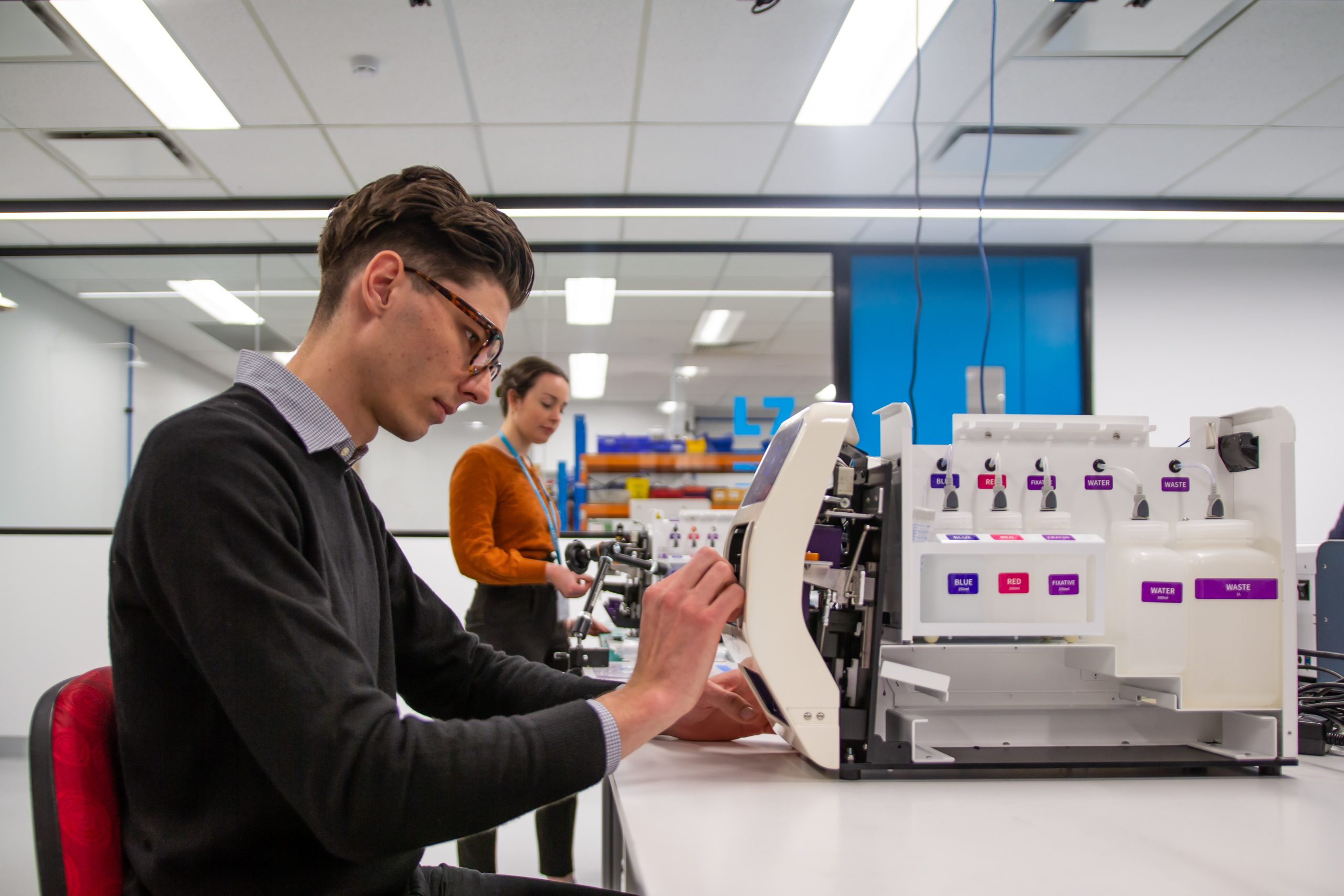
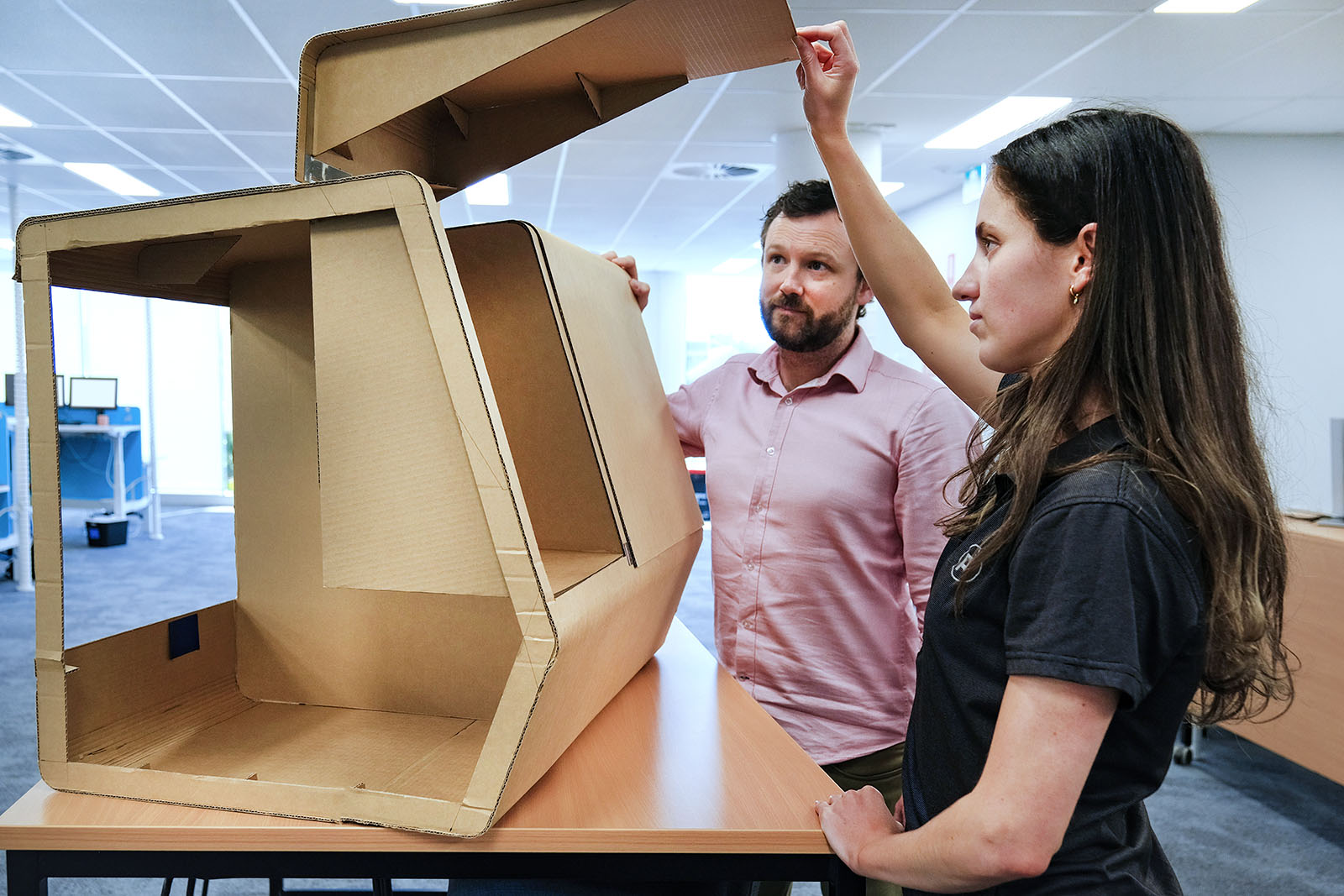
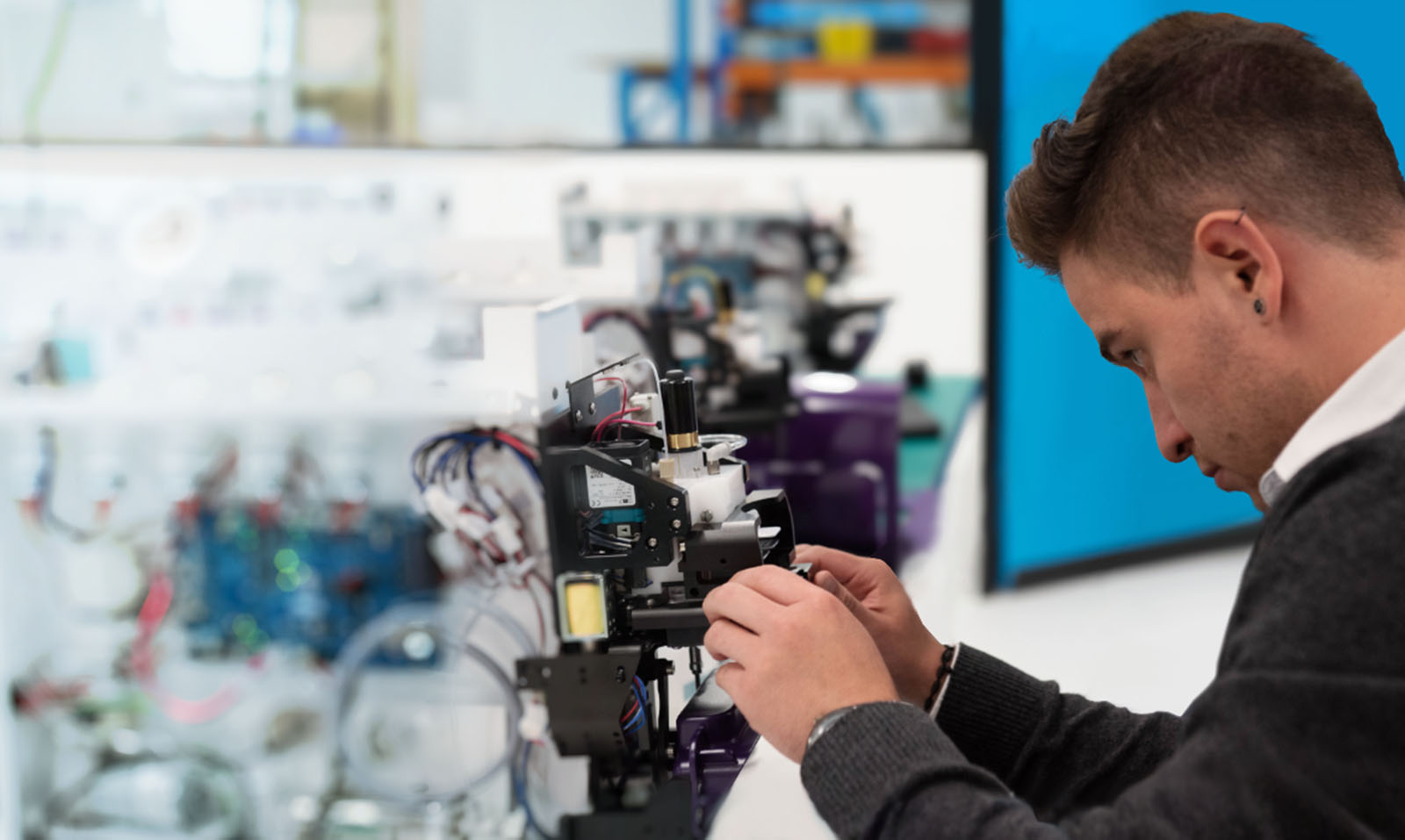
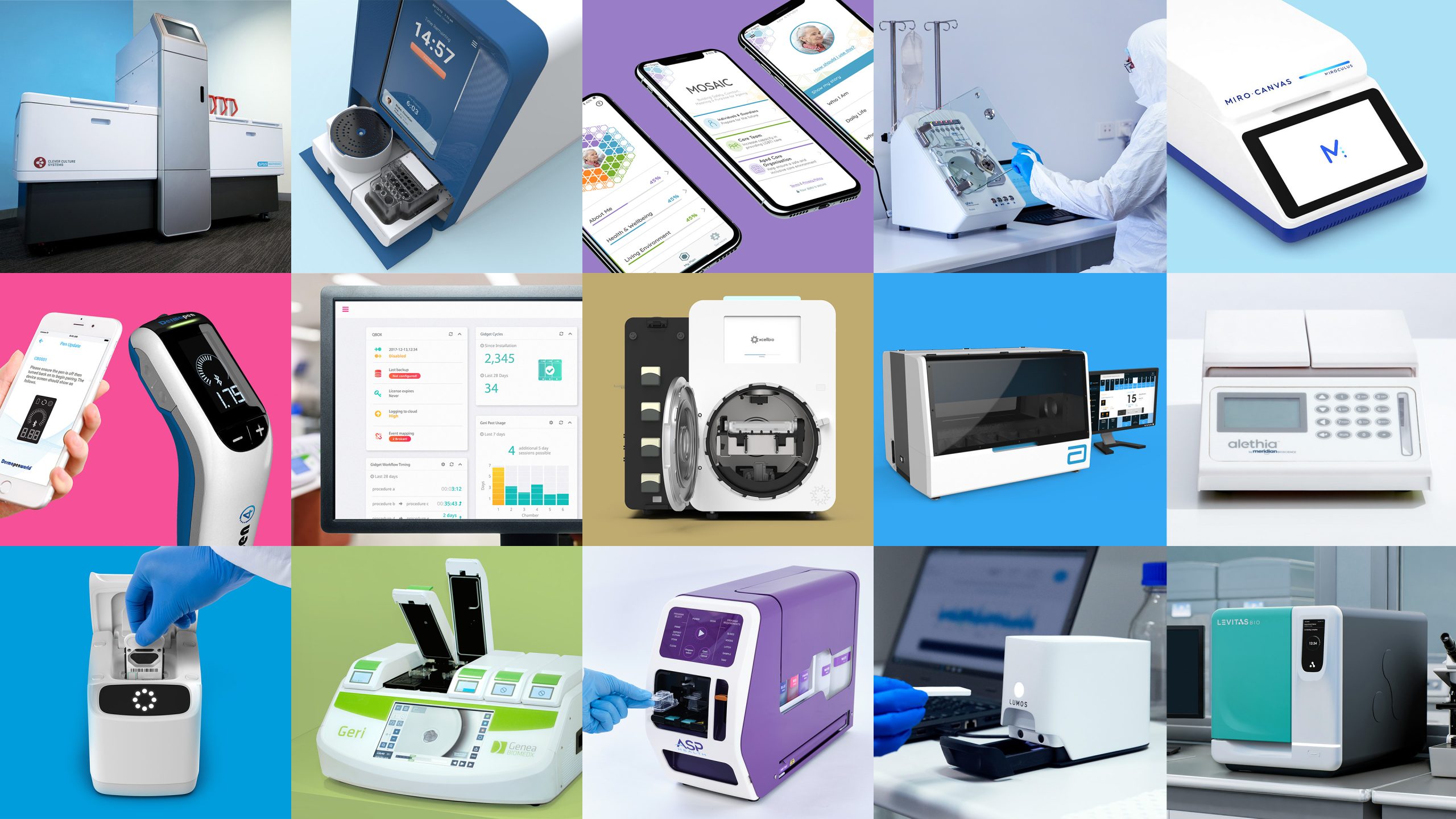

Planet Innovation’s design approach follows the spirit of the Australian Design Council’s Design Capability Framework and is deeply embedded in its practice.
The journey begins by defining the challenge at a business level. Rather than accepting a brief as given, the team seeks to understand why the business exists, what it aims to achieve over the next decade and what will truly delight its customers and shareholders. This prevents wasteful investment and ensures effort is focused on meaningful opportunities.
The company then builds empathy through direct engagement with users and decision makers. One early project illustrates this well. Without a product in hand, PI attended a major medical health conference, set up a simple booth and invited clinicians to share their experiences. These conversations revealed insights that no report or survey could offer and established relationships that guided development for years. Those insights fuel ideation, where multidisciplinary teams explore multiple directions with openness. They deliberately resist rushing into solutions, particularly when their engineering instincts urge otherwise.
Evaluation is treated as a rigorous discipline. Structured checkpoints bring together designers, engineers, commercial leads and executives to revisit goals and to reassess assumptions in light of new evidence. Testing occurs with real customers rather than internal colleagues, which strengthens the reliability of insights and sharpens understanding of risk.
Launch is only the beginning of the journey. Because PI operates its own manufacturing capability, it can take products to scale, gather evidence from real world use and support second or third generation solutions.
A defining feature of their process is the preference for product ecosystems rather than isolated products. Many founders believe their first idea will be their only product. Planet Innovation always considers the entire pipeline, ensuring that every decision contributes to a long-term ecosystem that can evolve and grow commercially.
Planet Innovation’s design process generates economic, social and environmental impact that extends far beyond the boundaries of a single project.
Economically, their design capability prevents costly mistakes by validating opportunities early and focusing on real market needs. Their approach ensures that development work is grounded in evidence, not assumption, which helps partners avoid the heavy financial burden of building the wrong thing. Their manufacturing capability amplifies this impact, enabling products to scale globally, support multiple generations and drive long term commercial success.
Socially, the company helps create healthcare experiences that feel more human in environments that are often highly technical. When a product works intuitively, clinicians adopt it more willingly and patient care improves as a direct result. Additionally, PI plays a crucial role in building Australia’s future innovation workforce by exposing young engineers and designers to global scale health challenges early in their careers. This strengthens national capability and deepens a sense of purpose across the team.
Environmentally, the company reduces waste through disciplined problem framing and multi generational product strategy. While healthcare often prioritises immediate patient benefit over long term sustainability, PI’s design process ensures that resources are used wisely by preventing unnecessary development cycles and by designing product ecosystems that evolve rather than being replaced. This approach reduces duplication, extends product lifecycles and supports more sustainable innovation practices.
An important dimension of this impact is the company’s close work with its supply chain. Because health technology products require coordinated effort across many partners, PI cultivates strong relationships that encourage evidence-based decision making and shared standards of quality.
Their approach influences the behaviour of suppliers and collaborators, and these practices often spread as talent moves across the sector. In this way, design capability becomes an ecosystem advantage rather than an internal one.
For firms wanting to strengthen their design capability, Planet Innovation offers several powerful lessons.
The first is to cultivate ‘coachability’. Projects break down when leaders are too attached to their ideas to be challenged. Successful innovation depends on humility, curiosity and the willingness to adapt as insights deepen. PI has learned that coaching clients too aggressively early on can be counterproductive, and that guiding them with patience helps build shared ownership of the process. Firms that embrace a learning mindset are far better positioned to discover real opportunities and avoid costly misjudgements.
A second lesson is that deep customer insight must sit at the centre of every decision. Insight is not a one-off activity but a continuous practice. It requires engaging with real users, questioning assumptions and understanding context with precision. When teams are exposed to real world impact, as PI encourages its designers to be, they develop stronger judgement and a deeper sense of responsibility. These conditions make it possible for design to influence not just products but entire business strategies.
Business leaders can learn three essential messages from Planet Innovation.
Curiosity prevents waste and leads teams to the real problems worth solving. Evidence based design creates solutions that people genuinely value and adopt. And a long term ecosystem mindset allows companies to generate enduring economic and social value rather than one off wins.
Planet Innovation believes Australia must celebrate its business successes more openly and recognise that success lies not only in individual products but in the capabilities and judgement that create them.
A design led nation requires investment in firm level capability, stable policy settings and targeted support for commercialisation so that companies can scale rather than selling early. By grounding innovation in design capability and supporting firms across the entire journey from insight to global scale, Australia can build a future where design is the foundation of national competitiveness and long term value creation.
Head Office:
Level 2,
135/153 New South Head Road,
Edgecliff New South Wales 2027 Australia
Mail:
PO Box 720, Rose Bay,
New South Wales 2029 Australia
Phone:
+61 2 8015 6680
