
Head Office:
Level 2,
135/153 New South Head Road,
Edgecliff New South Wales 2027 Australia
Mail:
PO Box 720, Rose Bay,
New South Wales 2029 Australia

SOLVING THE RIGHT PROBLEM BEFORE BUILDING THE SOLUTION
“The best manufacturing outcome starts long before a tool is made or a production line begins. It starts by understanding the problem well enough to solve the right one.” Greg West, Founder, Vector Technologies
Australian manufacturing has always faced a simple question. How can Australian manufacturers compete globally when they face higher labour and energy costs, alongside lower levels of government support than many overseas competitors?
For Greg West, the answer has never been to compete on cost. It has been to compete on capability. Since founding Vector Technologies more than three decades ago, Greg has built the company around one principle. The greatest value manufacturers can provide is not simply making products. It is helping customers solve problems before they become expensive mistakes.
That philosophy has transformed Vector from a specialist plastics manufacturer into an advanced manufacturing partner working across medical technology, food and beverage packaging, automotive, agriculture and aquaculture. Today the company combines engineering, tooling, automation, manufacturing and supply chain expertise to help customers bring products to market faster, with lower risk and greater commercial success.
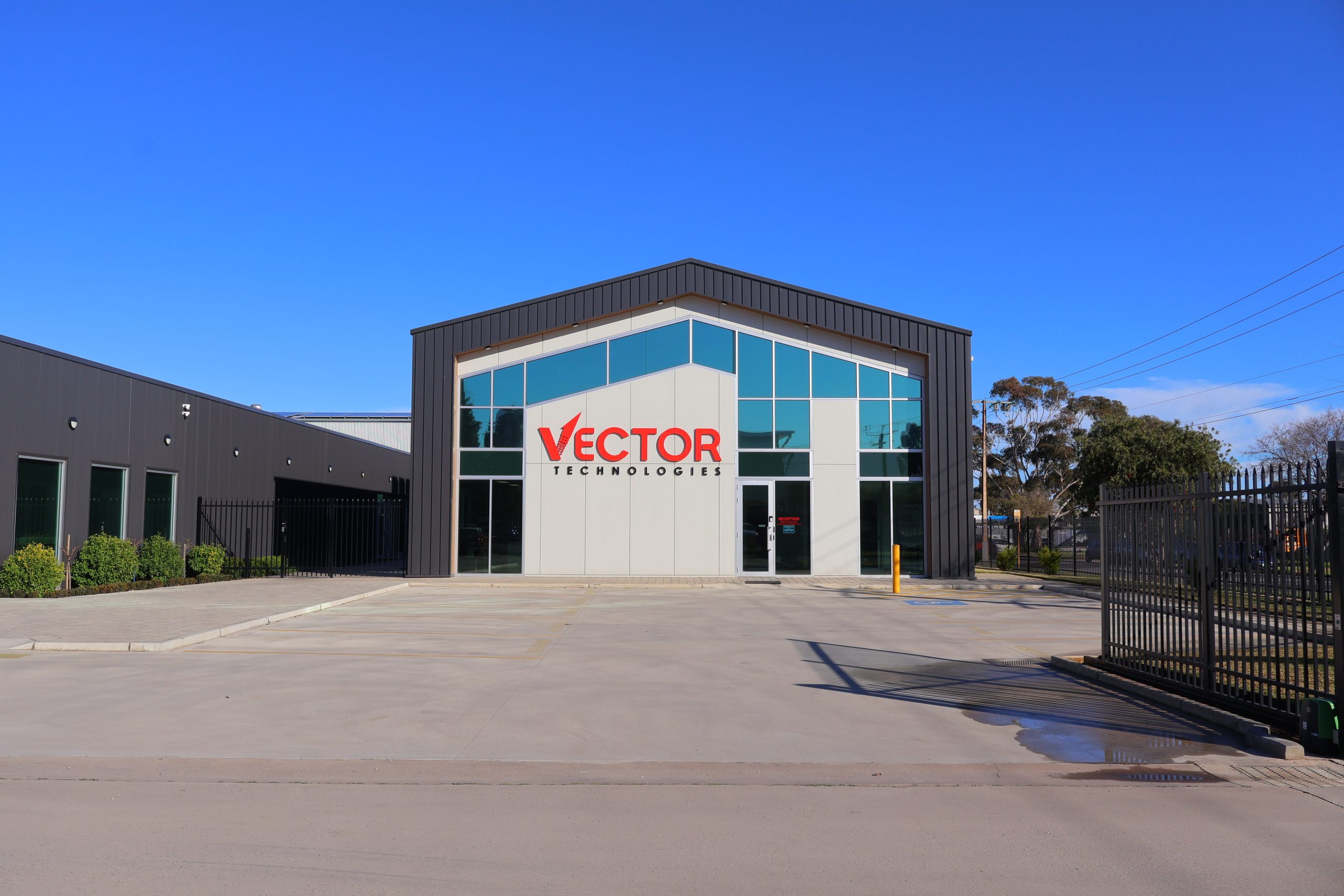
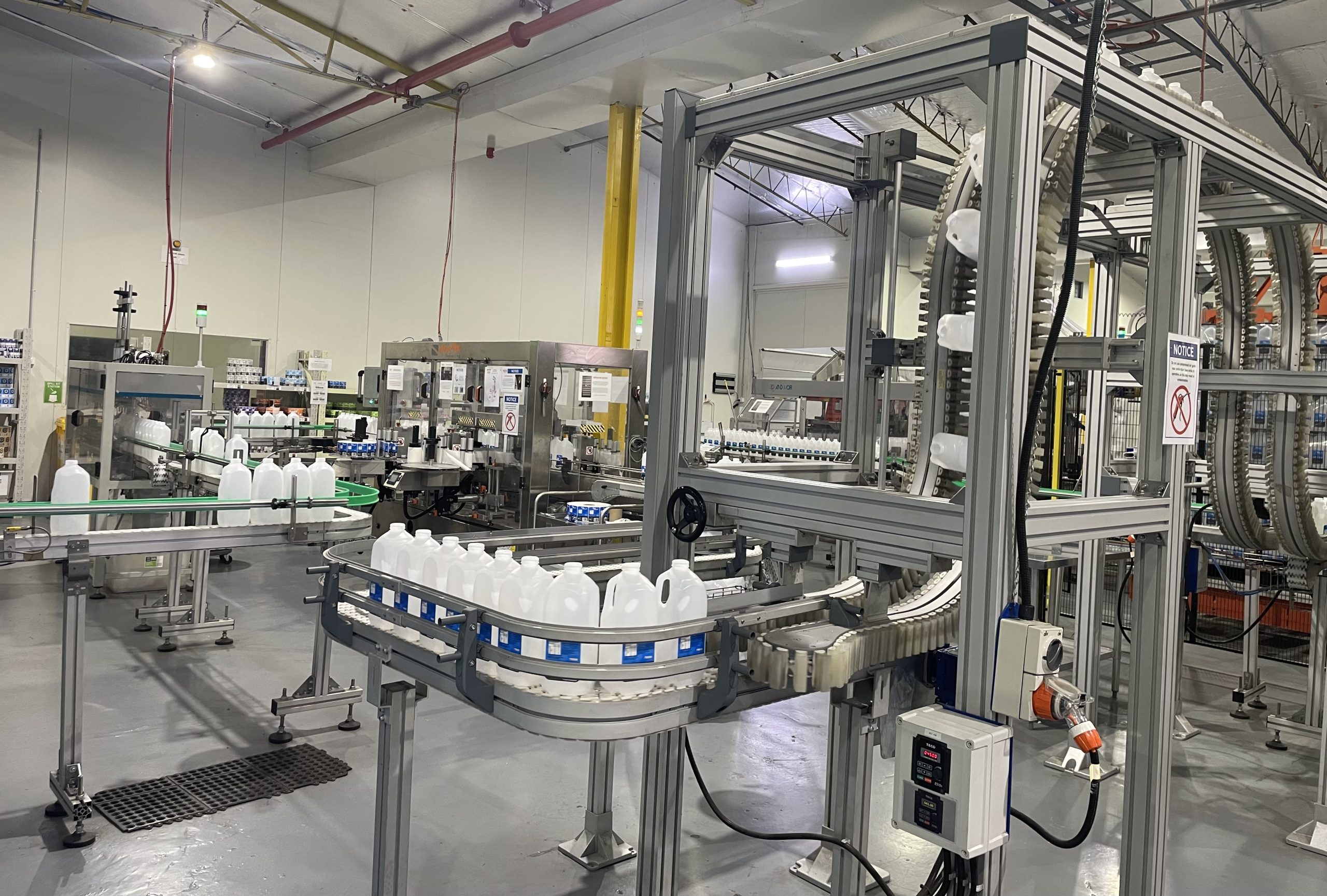
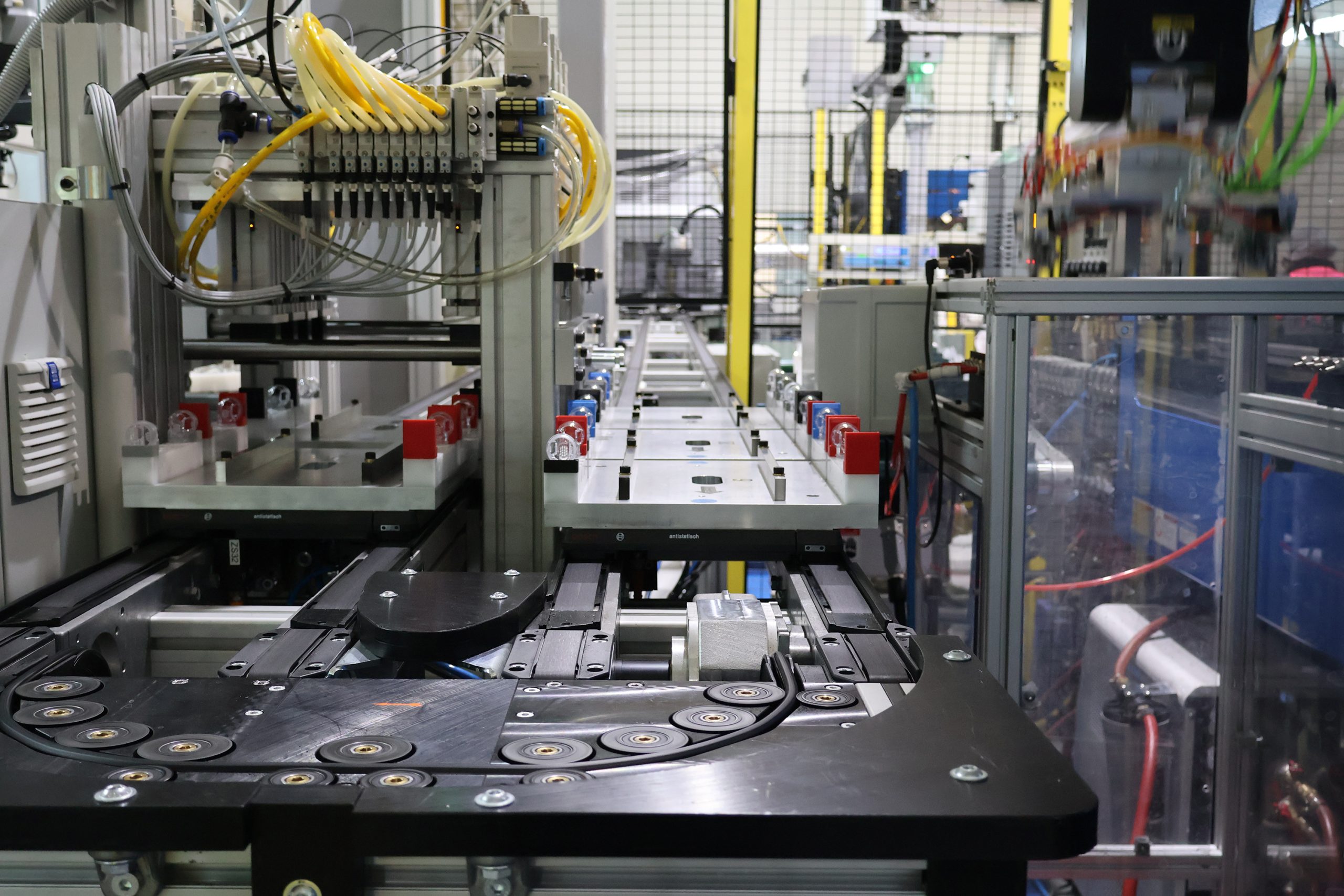
Design begins by asking better questions
Many businesses think design starts with creating a product. At Vector, design starts much earlier. Every customer arrives with a challenge. Sometimes they have developed a product that cannot be manufactured efficiently. Sometimes production costs are too high. Sometimes supply chains have become unreliable. The first design task is to help the client understand whether the business is solving the right problem.
By bringing the right expertise into the discussion early, Vector’s integrated project model ensures technical, operational and commercial considerations are assessed together. This often means challenging existing thinking. The goal is never simply to manufacture what has been designed. It is to work with customers to improve the outcome. That early partnership improves decision quality, increases productivity and creates stronger long-term relationships. As Greg explains
“We help customers solve problems first. Once we understand the problem, we can bring together engineering, tooling, manufacturing, automation and supply chain capability to create the right solution.”
Design is a business capability, not an add-on
One of the strongest messages to emerge from Vector’s journey is how the business thinks about design itself. For Greg, design is not confined to industrial designers or product development teams. It is a capability embedded throughout the business.
Every project is led by an engineer who remains responsible from concept through to production, supported by specialists in quality, manufacturing, operations and project management. Decisions are made collaboratively, balancing technical performance with commercial reality.
Good design means creating solutions that are practical, manufacturable, scalable and valuable. It means understanding customer needs, testing ideas, refining concepts and making informed decisions before significant investment occurs. As Greg describes it,
“Design is not an add-on. It is a business capability. We constantly ask ourselves: What problem are we solving? Who is affected? What does success look like?”
This mindset has shaped how Vector operates internally and how it partners with customers around the world.
Designing better outcomes across the entire supply chain
One of the biggest changes in Vector’s business has not been new technology.
It has been redesigning the way it creates value for customers. Manufacturing no longer finishes when a product leaves the factory. Customers increasingly need support across sourcing, inventory, logistics, risk management and global production. Rather than simply supplying components, Vector now works with customers across the entire supply chain, helping them manage inventory, improve resilience and reduce disruption.
In some cases, the company holds strategic inventory to protect customers from volatile supply markets. In others, production is coordinated across multiple manufacturing locations to better support global customers. These services emerged by listening carefully to customer challenges rather than simply responding to manufacturing specifications. The result has been a business model that delivers value well beyond production itself. Design thinking has become central to how Vector creates value across the customer lifecycle.
Circular economy in action
One recent aquaculture project demonstrates how Vector’s design process creates both commercial and environmental value. The customer approached Vector with a manufacturing challenge for oyster farming equipment. Working alongside the customer, the team first defined the problem before exploring multiple manufacturing approaches, developing prototypes, testing performance and refining the design through several iterations.
During development, another opportunity emerged. Vector recognised that recycled high-density polyethylene already being recovered through Australian kerbside recycling could become an ideal material for the product. Vector worked with the supplier to develop and validate a unique blend capable of meeting the demands of the harsh operating environment. As a result, the design process extended beyond the part itself to include the material formulation. Today, approximately 270 tonnes of post-consumer recycled plastic is transformed each year into durable products used by the oyster industry. The outcome delivers multiple benefits.
The customer gains a high-performing product with a strong sustainability story. Plastic waste is diverted from landfill and returned to productive use. Australian manufacturing capability is strengthened through local design, engineering and production.
For Greg, it demonstrates the value of looking beyond the immediate brief to identify broader commercial and environmental opportunities.
At Vector Technologies, design is measured by the value it creates. Every project aims to improve commercial outcomes for customers while strengthening Australian manufacturing capability and reducing environmental impact. By solving the right problems early, the company delivers benefits that extend well beyond the products it manufactures.
Economic impact
Design has enabled Vector to evolve from a contract manufacturer into a long-term strategic partner. Working with customers from the earliest stages of development reduces manufacturing risk, shortens the path to commercialisation and creates stronger, longer lasting relationships.
By redesigning its own business model around customer needs, Vector now provides end-to-end support across engineering, manufacturing and supply chain management. This approach creates greater resilience for customers while strengthening Australia’s advanced manufacturing capability.
Social impact
Vector’s biggest investment is in people. The company continues to develop future engineering talent through graduate programs, university partnerships and international leadership experiences. Rather than recruiting only experienced engineers, Vector actively develops capability from within, helping graduates build practical skills while creating long-term careers in advanced manufacturing.
Greg believes these investments extend beyond the company itself. They contribute to Australia’s future manufacturing workforce and help preserve critical engineering capability for future generations.
Environmental impact
The oyster farming example demonstrates Vector’s broader approach to environmental performance: identifying opportunities during the design process to reduce waste, improve resource efficiency and return recovered materials to productive use. Rather than treating sustainability as a separate initiative, Vector looks for opportunities throughout the design process to reduce waste, improve resource efficiency and create circular economy outcomes that benefit both customers and the environment.
Greg believes one of the biggest misconceptions in business is that design is something applied after a solution has been developed. Design should shape every important business decision from the beginning. His advice to other manufacturers is straightforward.
Treat it as a capability that sits at the centre of your business. Bring diverse perspective together early. The best outcomes emerge when technical, commercial and customer considerations are explored at the same time rather than sequentially.Understand the entire system rather than focusing only on the product. Most importantly, invest in developing future leaders. Technology changes quickly, but organisational capability compounds over time.
Businesses that continue to build engineering capability, encourage collaboration and develop future leaders will always be better positioned to solve increasingly complex challenges.
Greg believes Australia’s future competitiveness will come from the ability to connect capability, not just build it internally. Businesses should actively cultivate networks of specialist partners, researchers, innovators and manufacturing partners that allow ideas to move seamlessly across disciplines, organisations and time zones. In an increasingly connected world, the organisations that innovate fastest will be those that combine global expertise with strong local relationships.
Australia already produces highly capable engineers and problem solvers. The opportunity is to strengthen the connection between education and industry so graduates can apply those skills in world-class manufacturing businesses.
Manufacturing should be recognised as a strategic national capability that creates high-value jobs, strengthens sovereign capability and drives long-term economic resilience. For Greg, becoming a design-led nation is about building the capability to ask better questions, solve more meaningful problems and create lasting economic, social and environmental value.
When organisations understand the right problem before investing in solutions, they create better products, stronger businesses and a more competitive Australia.
Head Office:
Level 2,
135/153 New South Head Road,
Edgecliff New South Wales 2027 Australia
Mail:
PO Box 720, Rose Bay,
New South Wales 2029 Australia
Phone:
+61 2 8015 6680
